Seeing police lights in your rearview mirror can feel like a temporary inconvenience at first. Then you realize you are the one being pulled over, and your mind starts racing. Were you speeding? Did you forget to renew your registration? Has your inspection sticker expired? Do you have a broken taillight? Did you forget to use your turn signal when changing lanes? Are your windows too heavily tinted?
At first, you may think the stop will end with a warning or a traffic ticket. But when the officer starts asking more questions, asks you to step out of the vehicle, or says there may be a reason to look inside the car, the situation can begin to feel much more serious.
Now you are not just thinking about points on your license. You are thinking about whether you could be arrested, whether your car will be searched, whether something in the vehicle could be used against you, and what this could mean for your future.
At Mark H. Jaffe Attorney at Law, we understand how quickly a New Jersey traffic stop can become a criminal case. We also understand the stress that follows. You may be worried about your license, your job, your family, your record, and what will happen when you go to court. When a stop becomes more than a traffic ticket, you should not try to handle it alone.
How a New Jersey Traffic Stop Can Become a Criminal Case
A traffic stop can change quickly when police begin looking beyond the reason they pulled you over.
What starts as a speeding stop, registration issue, inspection problem, equipment violation, or moving violation can become more serious if the officer claims something else happened during the stop. Police may say they saw something in plain view, noticed signs of alcohol or drug impairment, discovered a warrant, learned that your license was suspended, connected the vehicle to another investigation, or asked for permission to search the car.
That does not mean the officer was right. It does not mean the search was lawful. It does not mean an arrest was justified. It means the stop needs to be reviewed carefully.
A traffic stop can lead to allegations involving drug possession, drug paraphernalia, unlawful possession of a weapon, driving while suspended, obstruction, resisting arrest, disorderly persons offenses, outstanding warrant issues, or theft-related offenses if police connect the vehicle or someone in the vehicle to another investigation.
What matters now is what police say happened, what actually happened, and whether the State can use the evidence against you.
What Could You Be Facing After a Traffic Stop Arrest?
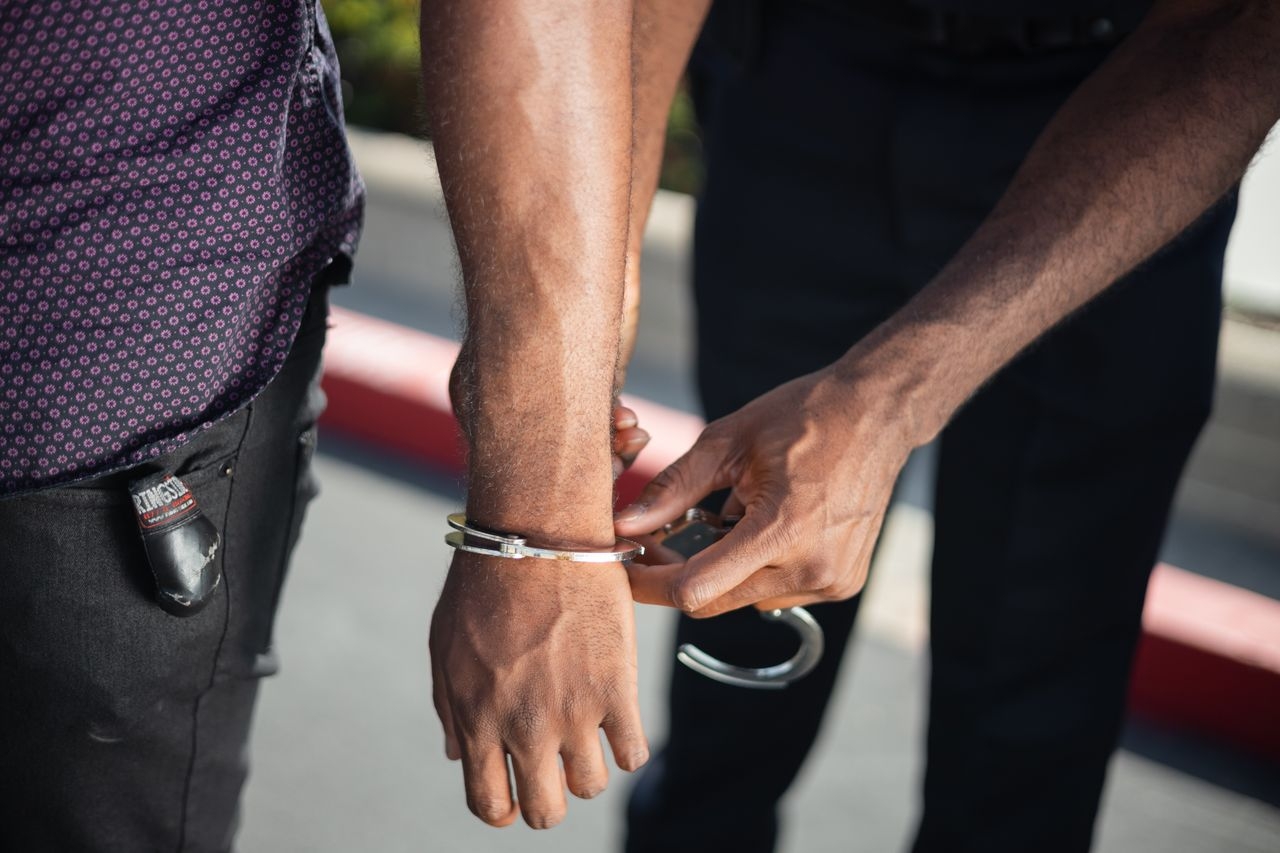
If you or your loved one was arrested after a traffic stop, the first few days can feel overwhelming. You may not know whether the charge is a traffic offense, a municipal court matter, a disorderly persons offense, or an indictable criminal charge.
That uncertainty is part of what makes the situation so stressful. New Jersey court paperwork is not always easy to understand, especially if you have never been charged before. A summons can still mean you have to appear in court. A disorderly persons offense can still affect your record. An indictable charge can bring more serious penalties and a more complicated court process.
At that point, the questions usually come quickly. Will you have to go to court? Could you lose your license? Could you be facing jail time? Will this show up in future background checks? Should you speak with the prosecutor? Should you enter a plea online or in court? Will you have a chance to explain what happened? Do you need a defense attorney if a traffic stop has turned into a criminal charge?
These are not questions to answer in a rush. Before you speak with the prosecutor, enter a plea, or assume the charge is minor, you should understand what you are charged with, where the case is being handled, what penalties are possible, and how your next decision could affect the rest of the case.
Common Ways Traffic Stops Lead to Criminal Charges
Traffic stops can turn into criminal cases in several ways. Some involve suspected alcohol or drug impairment. Others involve allegations that police found drugs, prescription medication, paraphernalia, a weapon, ammunition, stolen property, or another item in the vehicle. A suspended license, active warrant, or connection to another reported incident can also change the direction of the stop.
If cannabis or marijuana is involved, the legal issues can be more complicated than many people expect. New Jersey law allows adult-use cannabis in certain circumstances, but that does not mean every marijuana-related situation in a vehicle is risk-free. Questions may still arise about impaired driving, where the cannabis was located, whether it was being used in the vehicle, whether anyone was underage, whether police claimed there was evidence of distribution, and whether the officer had a lawful basis to expand the stop or search the car. It also does not mean the police’s version of the stop should go unchallenged.
If police claim they found a weapon or an item they believe is a weapon, the case may involve questions about lawful possession, transportation, access, knowledge, and whether the item was actually connected to you.
That is why the timeline matters. Why were you stopped? What did the officer ask? Were you asked to step out of the car? Did the police ask to search the car? Did anyone in the vehicle make a statement? Was anything found, and where was it found?
Those details can affect the charges, the court process, and the options available to you.
Can Police Search Your Car During a Traffic Stop?
A vehicle search after a traffic stop should never be treated as automatic or beyond review.
Police may claim they had a lawful basis to search, such as consent, probable cause, plain view, officer safety concerns, an arrest, inventory procedures, or another exception to the warrant requirement. But the fact that police searched the car does not mean the search will hold up in court.
We may look closely at whether the officer had a valid reason to extend the stop, whether consent was requested, whether any consent was voluntary, whether the item was actually in plain view, whether the police had a lawful reason to open a bag or compartment, whether video footage was preserved, and whether the stop was properly documented.
These details are not just legal technicalities. They can determine whether the State is allowed to use certain evidence against you. If evidence was found during an unlawful search, there may be grounds to challenge whether that evidence can be used in court.
Be Careful About Explaining Yourself Under Pressure
When someone is scared, they often want to talk. They want to explain that the drugs were not theirs, the item in the car belonged to someone else, the alcohol was from earlier, the suspended license was a mistake, or they did not know there was a warrant.
That instinct is understandable. But statements made during or after a traffic stop can be used against you. Even an innocent explanation can create problems if it is incomplete, misunderstood, or interpreted differently later.
You do not have to guess what to say while you are under pressure. Before you try to explain your way out of a criminal charge, it is better to understand your rights, the allegations, and the risks of speaking without legal guidance.
What Happens After an Arrest or Criminal Summons?
After a traffic stop turns into a criminal charge, the next steps depend on the type of charge and where the case is filed.
Some cases remain in municipal court. Others are handled in Superior Court. You may receive a summons with a court date, or you may be taken into custody and released with conditions. In more serious cases, there may be additional hearings, prosecutor review, and decisions that affect your freedom while the case is pending.
It can be tempting to think you can simply explain the situation to the judge, especially if this is your first offense or you believe there was a misunderstanding. But a guilty plea, a statement to the prosecutor, or a quick decision made under pressure can affect your license, record, employment, and future.
Before you make any decision, it is important to understand the possible penalties, the strength of the evidence, whether your rights were violated, whether a downgrade or dismissal is possible, and what a conviction could mean for your future.
Talk to a Central Jersey Criminal Defense Attorney Before Court
If you are facing criminal charges after a NJ traffic stop, the details of the stop, search, statements, and evidence matter.
At Mark H. Jaffe Attorney at Law, we do not treat a case like this as “just a ticket” or assume the police report tells the whole story. We look closely at what happened from the moment you were pulled over to the moment charges were filed. That includes reviewing why the stop happened, what the officer claimed to observe, whether the investigation went beyond the original traffic issue, whether any search can be challenged, what evidence was collected, and whether the State can prove the charge.
We also help you understand what you are facing before you make decisions that could affect your license, your record, your job, or your future. If your case is in municipal court, we explain what that means. If the charge is more serious, we help you understand the next steps and the risks involved.
Mark H. Jaffe brings extensive experience handling criminal defense and municipal court matters in New Jersey. His background on both sides of the courtroom helps our firm understand how prosecutors may evaluate a case, where important issues may arise, and what needs to be addressed before you walk into court.
If you or your loved one was charged after a traffic stop in Princeton, Hamilton, Lawrence Township, West Windsor, East Brunswick, Edison, New Brunswick, North Brunswick, Piscataway, South Brunswick, Woodbridge, Franklin Township, Somerset, or elsewhere in Central Jersey, contact Mark H. Jaffe Attorney at Law today.
Before you plead guilty, speak with the prosecutor, try to explain yourself in court, or assume the charge is minor, let us help you understand what happened, what you are facing, and what can be done next.
Do not walk into court without understanding what is at stake. Call Mark H. Jaffe Attorney at Law to schedule a consultation and discuss how to begin protecting your rights, your record, and your future.
Disclaimer: The articles on this blog are for informational purposes only and are no substitute for legal advice or an attorney-client relationship. If you are seeking legal advice, please contact our law firm directly.